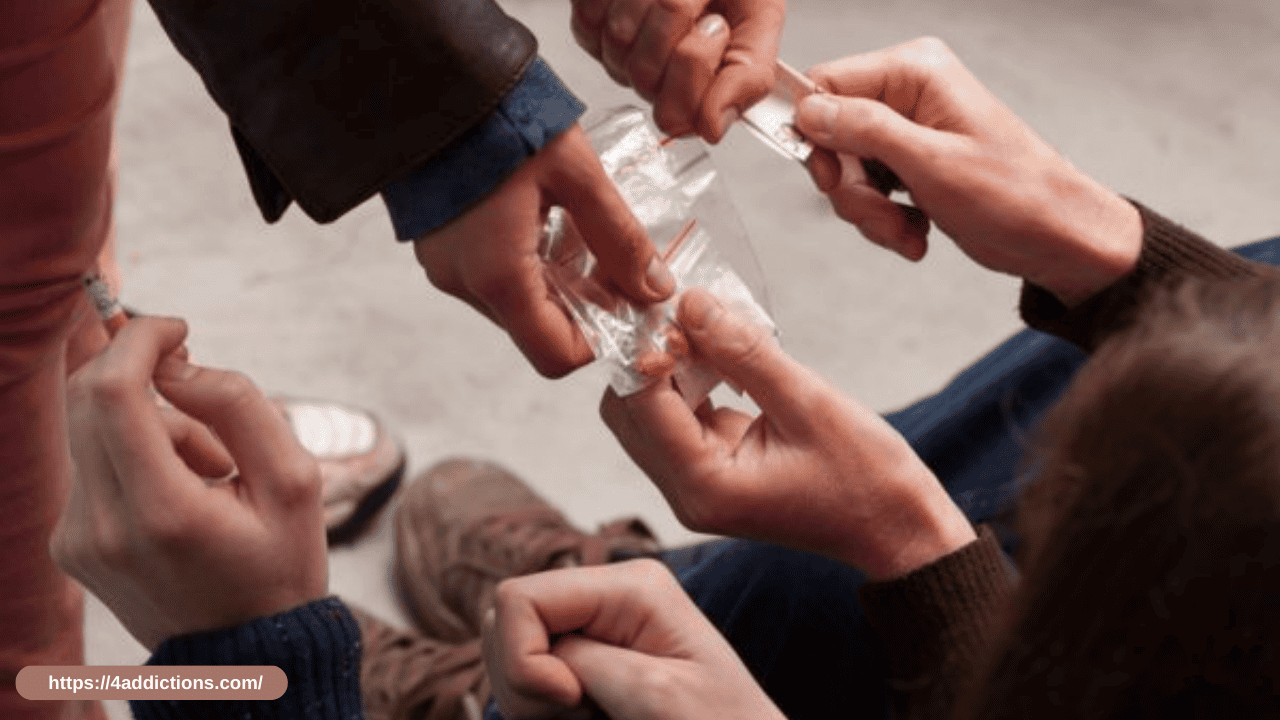
 Parenting teenagers comes with unique challenges. Between changing moods, new friendships, and growing independence, it can be difficult to know when your teen is simply going through a phase and when something more serious is happening. One of the most critical things parents can do is recognize the early signs of drug use. Intervention at the earliest stage often makes the difference between a short-lived struggle and a lifelong battle. At 4Addictions.com, we believe knowledge and awareness empower families to take the right steps toward healing.
Why Early Intervention Matters
Drug use among teenagers rarely begins with addiction. It usually starts with experimentation, curiosity, or peer pressure. Without guidance, those first choices can escalate into regular use, creating physical, emotional, and spiritual consequences. Early intervention can stop this progression before it becomes unmanageable. When parents act quickly, they give their teen the chance to heal before addiction takes root.
Emotional and Behavioral Warning Signs
Sudden Mood Changes
Although mood swings are common in adolescence, dramatic or frequent emotional shifts may point to more than growing pains. Irritability, anger outbursts, or unexplained sadness can sometimes be linked to substance use.
Isolation and Secrecy
If your teen begins to avoid family time, spends excessive hours alone, or becomes secretive about their phone and social life, it may be worth a closer look. Many teens hide their behavior out of fear or shame.
Academic and Social Red Flags
Declining School Performance
Falling grades, incomplete assignments, or a sudden disinterest in school activities often accompany the early stages of substance use. Drugs and alcohol interfere with concentration and motivation, which quickly shows in academic performance.
Shifts in Friendships
A complete change in friend groups, especially if those peers encourage risky behavior, is another common warning sign. If your teen is reluctant to introduce new friends or becomes defensive about social activities, it may signal unhealthy influences.
Physical and Lifestyle Changes
Noticeable Appearance Differences
Pay attention to changes like red eyes, weight fluctuations, frequent fatigue, or poor hygiene. While some changes are expected during adolescence, sudden and consistent differences often indicate something deeper.
Disrupted Routines
Teens using substances may stay up unusually late, sleep excessively, or neglect hobbies they once enjoyed. Irregular sleep and appetite patterns can be subtle but important signs of substance use.
How Parents Can Respond Effectively
The way parents respond can either open the door to healing or create more distance. The key is approaching your teen with love and patience. Start with gentle, open-ended questions. Listen carefully without judgment, and let them know your concern comes from care, not punishment. If your instincts tell you something is wrong, consider seeking professional help.
At 4Addictions.com, we provide individualized treatment designed for both teens and their families. Our inpatient and outpatient programs, mental health services, and holistic, faith-based approaches address the whole person. We focus not only on recovery but also on building resilience and restoring hope.
Take Action Before It’s Too Late
Early intervention saves lives. By learning to recognize the warning signs of drug use, parents can prevent temporary struggles from turning into lifelong challenges. Trust your instincts, stay connected to your teen, and do not ignore the signals. The sooner you take action, the greater the chance for full recovery.
At 4Addictions.com, we are here to guide you with compassionate, professional care. If you suspect your teen may be struggling, reach out today. The path to healing begins with one courageous step, and we are ready to walk that journey with you.
Leave a Reply
You must be logged in to post a comment.